Aurora Book 16

Aurora Book 16 · Prism OLED

Open the lid. Meet true black.

Scroll to open it

A 16-inch display where every pixel makes its own light, or none at all.

9.2 million pixels.
Not one backlight.

This is the panel, edge to edge. Nothing glows that should be dark.

Most screens shine one big backlight through every pixel and hope the dark parts stay dark. Aurora Book has no backlight. Each of its 9.2 million pixels is its own light, so black is simply switched off, and everything beside it looks brighter for it.

1,600
nits at HDR peak
1,000,000:1
contrast ratio
120Hz
adaptive refresh
100%
of the DCI-P3 gamut

True black

Black, with nothing behind it.

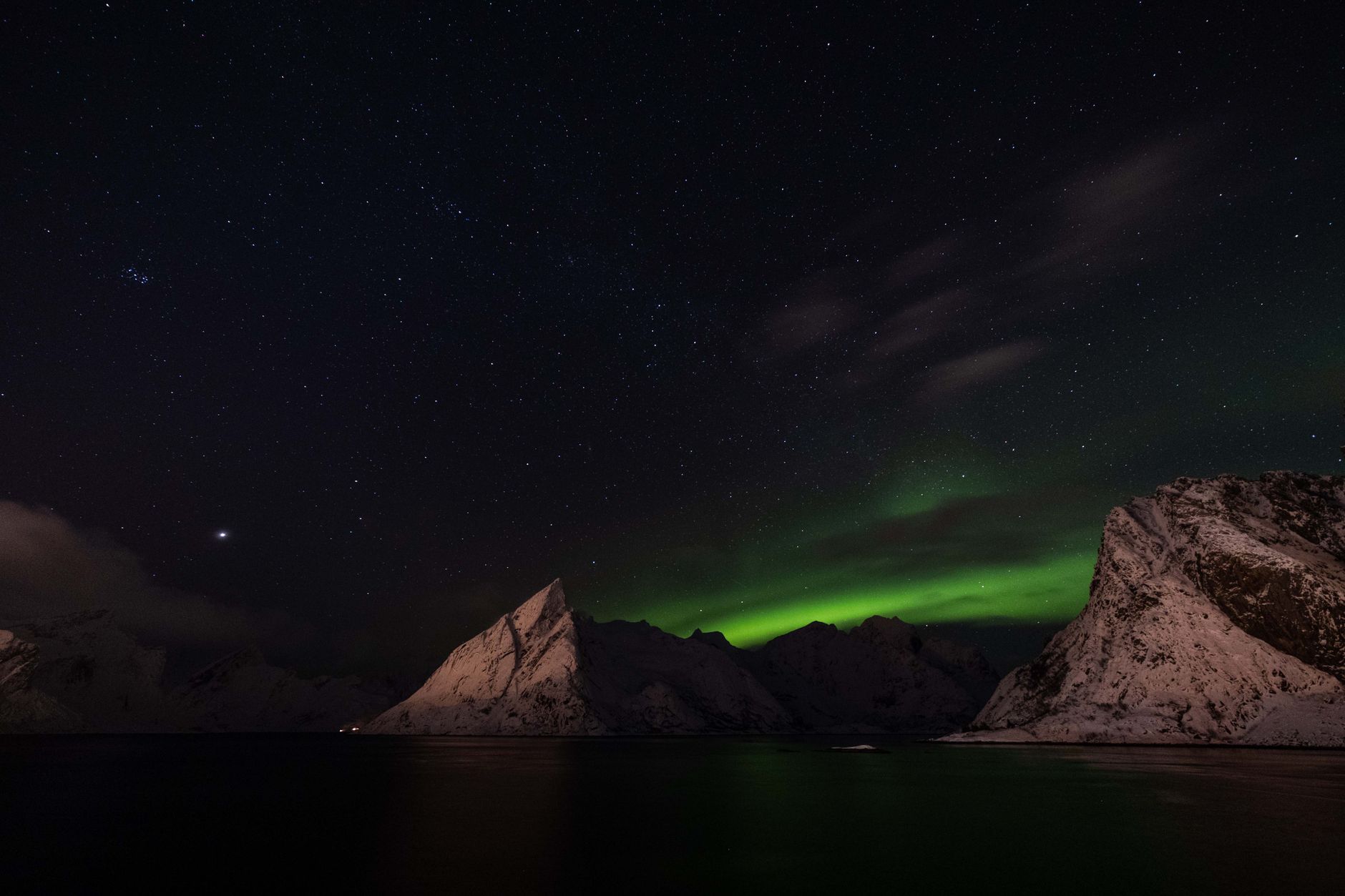
A backlit panel can only block its light, and some always slips through: a grey haze where the night should be. Drag the handle and watch the sky go dark.

The northern lights over snowy peaks, shown as Prism OLED renders them
Backlit LCD Prism OLED
Simulated comparison 0 nits black

Brightness

Bright enough to argue with the sun.

1,600 nits

500 everyday 1,000 HDR 1,600 peak
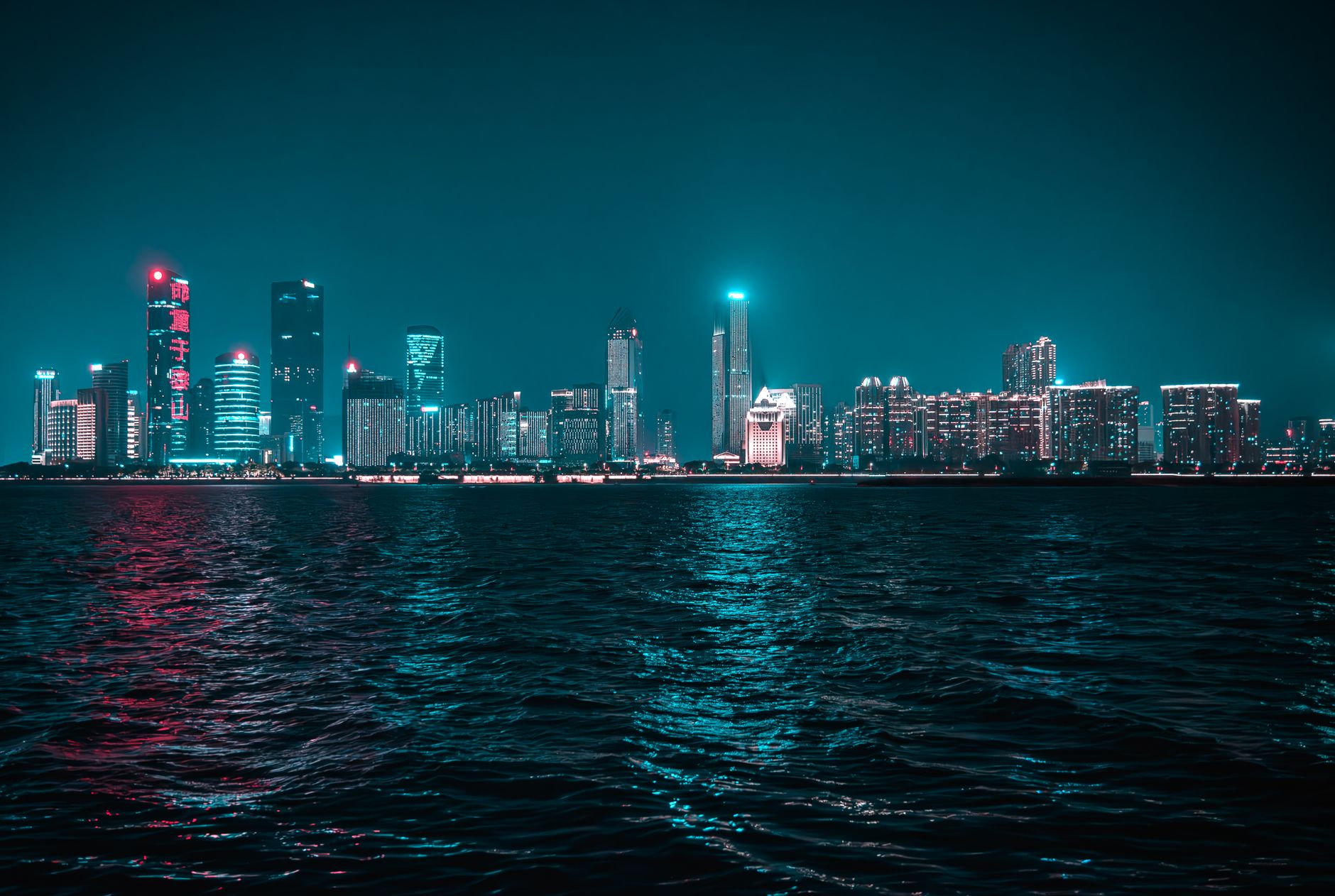
A city skyline at night, its neon lights reflected in the water
HDR preview 1,600 nits peak
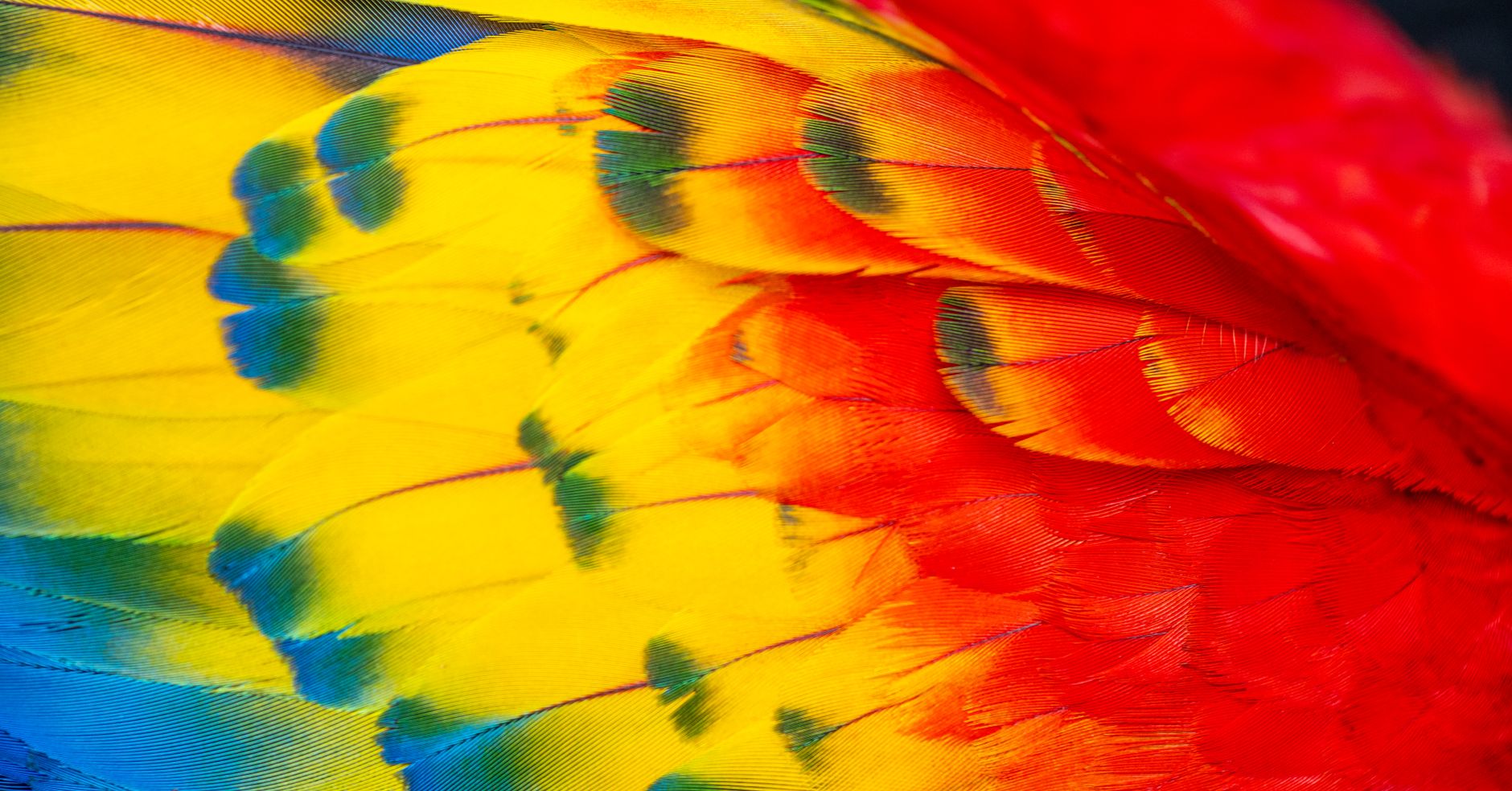
Scarlet macaw feathers in close-up: red, yellow and blue

Colour

A billion colours. Each one the right one.

Wide colour 100% DCI-P3

No steps in a sunset.

An 8-bit panel has 256 shades of each primary, and on a slow gradient you can see where one ends and the next begins. Aurora Book works in 10-bit: 1,024 shades of each, more than a billion colours together, measured at the factory until the difference from the reference is too small to see.

8-bit panel256 shades per channel

Aurora Book, 10-bit1,024 shades per channel

Motion

120 times a second, when it matters.

A 60Hz panel

Aurora Book at 120Hz

Scrolling, cursors and timelines move twice as often, so they look continuous instead of stepped. On a still page the panel drops to one refresh a second and saves the battery. The demo above is an illustration, slowed down.

Glass

Gloss for the studio. Matte for the window seat.

A turquoise mountain lake in bright daylight

Gloss keeps the deepest black and the most contrast, and shows a window as a window. The matte finish is etched into the glass itself, so a bright window becomes a soft wash instead of a mirror.

The panel

Look closer. It is lights all the way down.

9.2 million pixels. Each one has its own switch.

Move across this panel. Only the pixels under your pointer are lit. The rest are not dim, they are off.

0 nits

A black that is actually black

No backlight to leak through, so letterbox bars and night skies disappear into the bezel.

2 layers

Twice the light, half the strain

Two emitting layers share the work, which is how the panel reaches 1,600 nits and keeps its colour for years.

1.07 bn

Colours, counted

10-bit colour across the whole DCI-P3 gamut, so gradients arrive without bands.

ΔE < 1

Measured before it ships

Every panel is calibrated on the line, and its own report comes in the box.

0.2 ms

No trail behind anything

Pixels change state almost instantly, which keeps fast motion sharp at every frame.

In use

Made for work that lives in the details.

Four kinds of picture that fall apart on an ordinary screen, and what this one does with them.

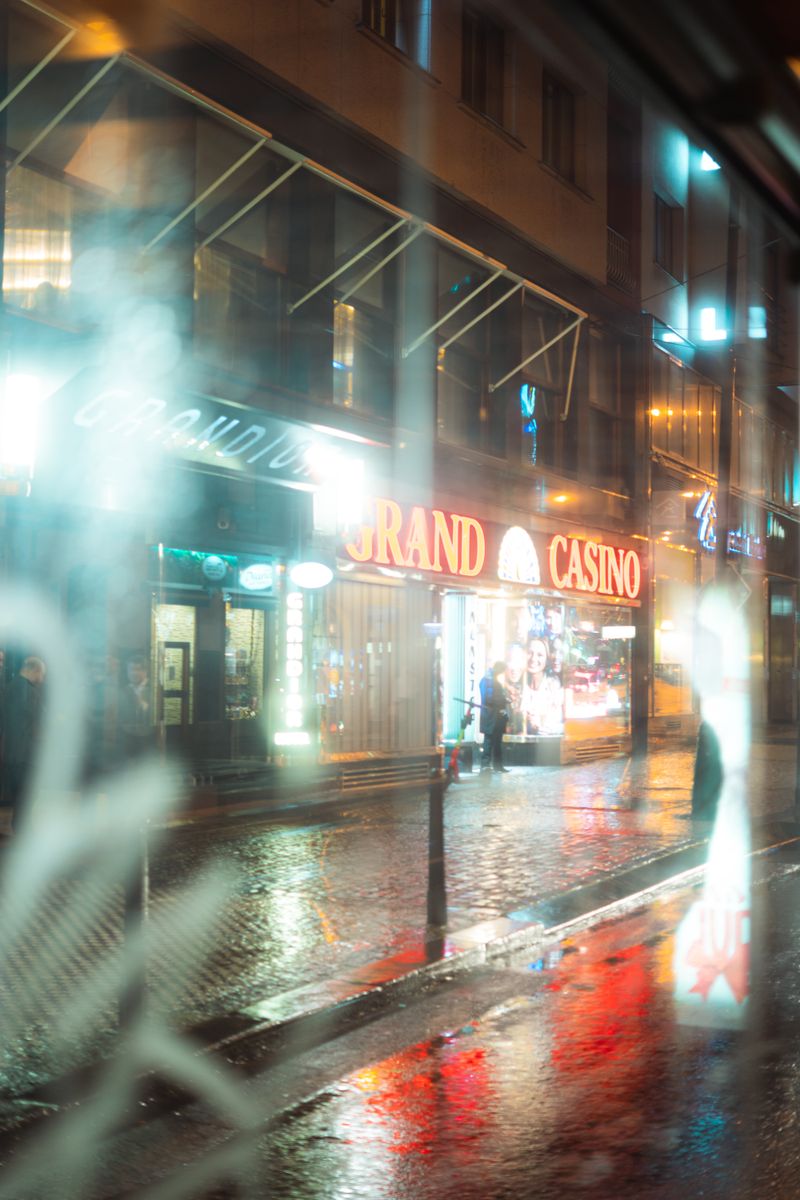
Neon signs reflected in a wet street at night
Film and HDR grading 1,000 nits sustained

Hold a highlight at full brightness for the whole shot, and trust the shadow detail under it.

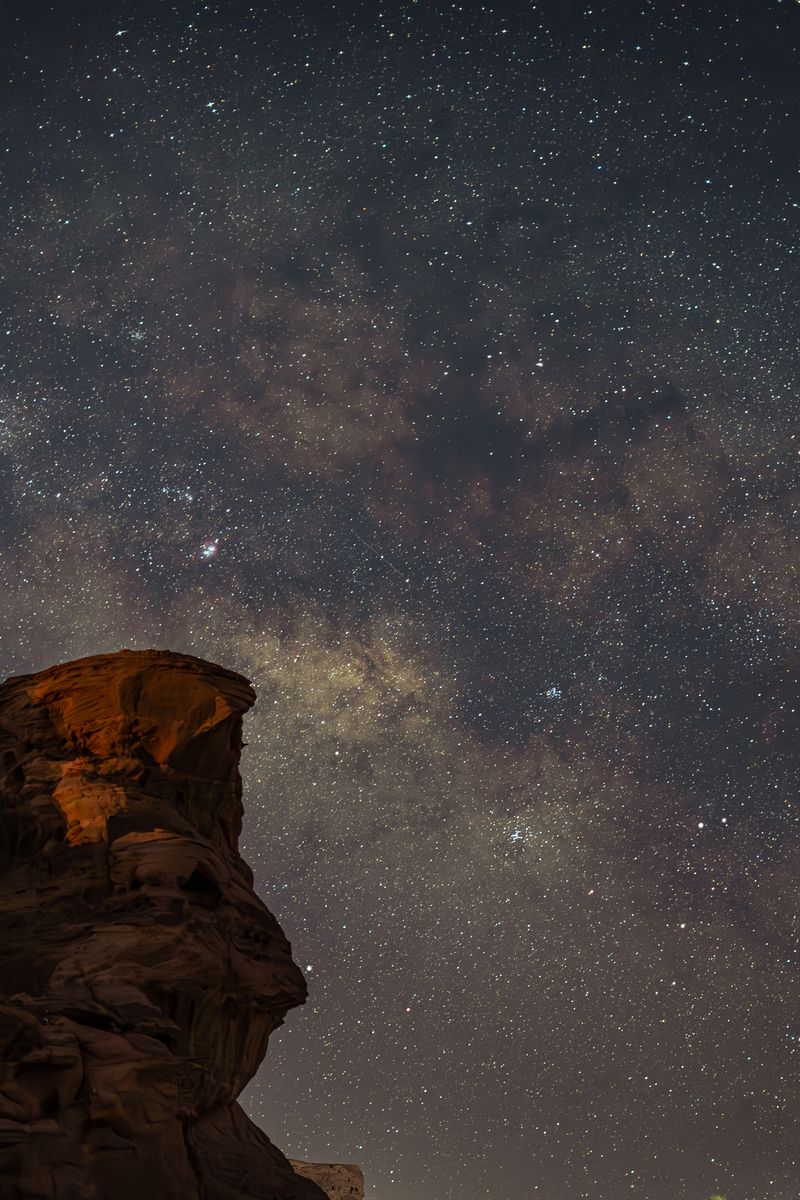
The Milky Way above a desert rock formation
Night photography 0 nits black

Stars sit on a sky that is actually dark, so you can judge noise instead of guessing at it.

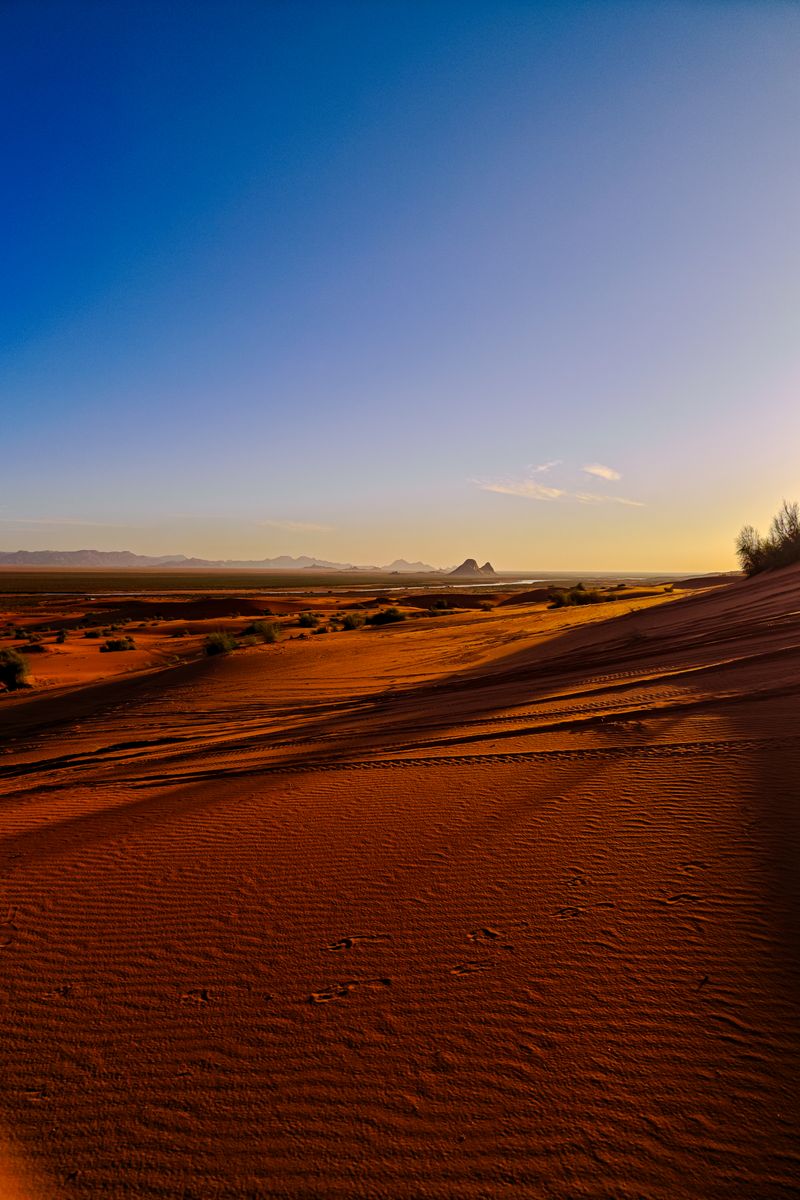
Red sand dunes at sunset with deep shadows
Landscape and print Delta E below 1

The red you approve on screen is the red that comes back from the lab.

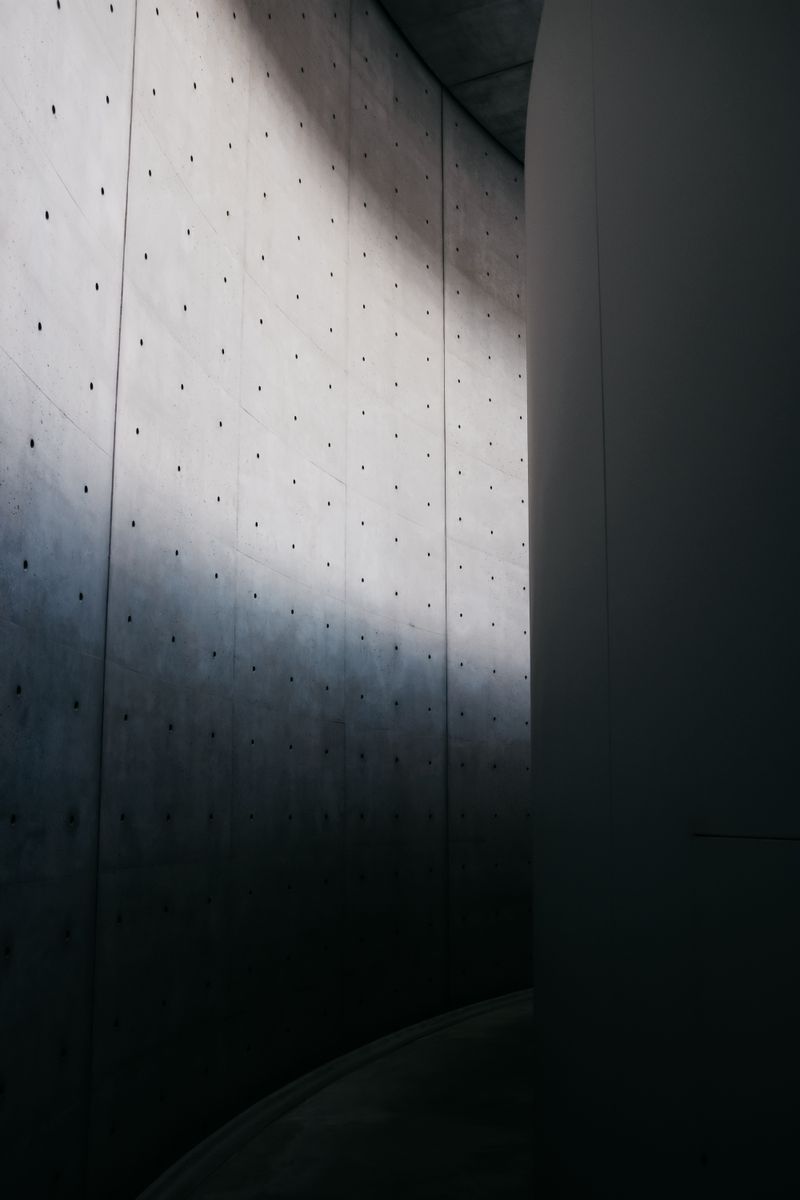
A concrete wall crossed by hard-edged shadows
Architecture and design 283 pixels per inch

Hairlines stay hairlines. Greys stay neutral from the brightest wall to the deepest corner.

Specifications

The numbers, plainly.

Panel
16-inch Prism OLED, two light-emitting layers stacked for brightness and a longer life
Resolution
3840 × 2400 at 283 pixels per inch, 16:10
Brightness
500 nits everyday, 1,000 nits sustained HDR, 1,600 nits HDR peak
Contrast
1,000,000:1, with pixels that switch fully off
Colour
10-bit, 1.07 billion colours, 100% of DCI-P3
Accuracy
Calibrated at the factory to a Delta E below 1, report in the box
Refresh rate
Adaptive, 1 to 120Hz
Response
0.2 milliseconds, grey to grey
HDR
HDR10 and HLG playback and mastering
Eye comfort
Flicker-free dimming down to 2 nits, low blue light at the hardware level
Glass
Gloss, or etched matte that scatters reflections without a film
Fair questions.

Will an OLED panel burn in?
It is built not to. The two-layer panel runs each layer at lower power, static elements shift by a few pixels over time, and the panel rebalances itself while the lid is closed. The display is covered for three years.
Is 1,600 nits available all the time?
No. The peak is for HDR highlights that cover a small part of the picture. Everyday content runs at up to 500 nits, and HDR content can hold 1,000 nits across the full screen.
Gloss or etched matte: which should I choose?
Gloss gives the deepest blacks and the most contrast, and suits rooms where you control the light. Etched matte trades a little of that contrast for calm reflections near windows and outdoors.
Does a brighter display cost battery life?
Dark pixels draw no power, so dark interfaces and films use less than they would on a backlit panel. The refresh rate also drops to once a second on a still page.

Lights out. Colour on.

Aurora Book 16 arrives in spring 2027, from ₹1,89,900. Leave an address and we will write once, the day orders open.